Why Apple Intelligence Ads Miss the Mark
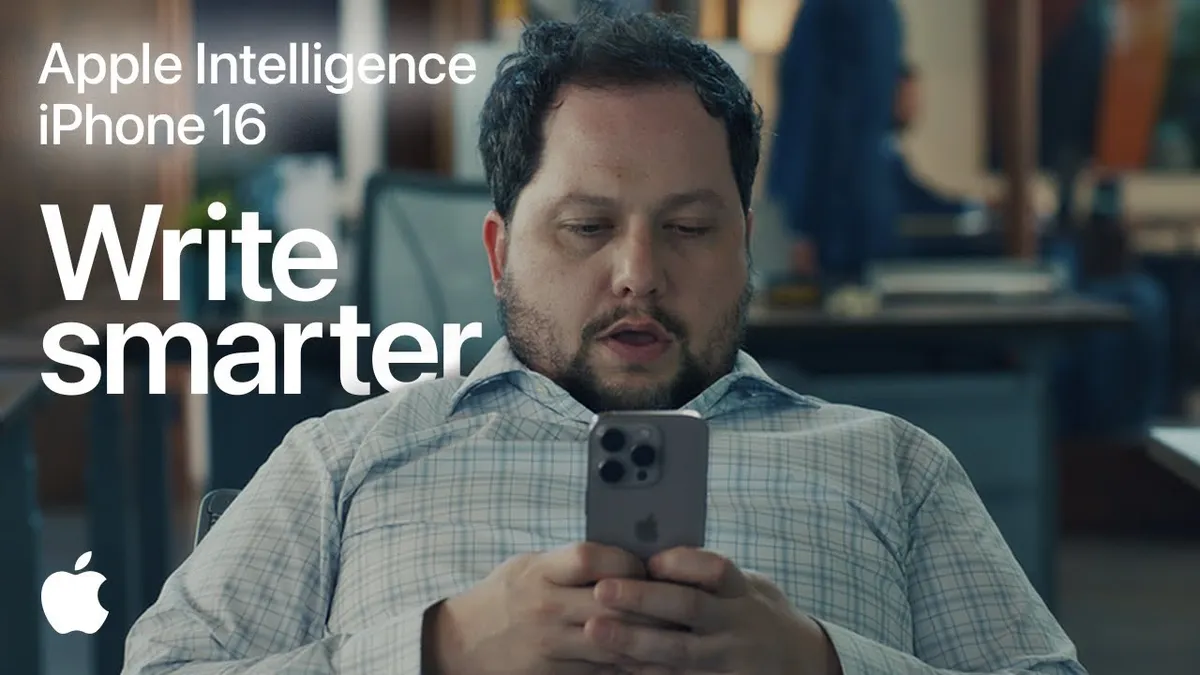 Apple's ads have a storied history of excellent branding and messaging, which made their latest Apple Intelligence ads feel strangely off to me. These ads, when contrasted with their older ones, reveal a kind of cognitive dissonance. Apple, a company known for its deliberate and thoughtful storytelling, seems to be rushing into this huge category – a decades-long arc according to them. This haste might explain why the ads feel disjointed, and lack the cohesion of their predecessors. Let's look at the ads to try and unpack this uneasiness.
Apple's Ad Legacy
Apple's ads have near-mythical status. From the iconic 1984 ad onward, they've consistently stood out – not just for their technological innovation, but for their storytelling. It was the way Apple talked about its products. Broadly, I can categorize the ads into two buckets – ones that evoke an emotional response, and ones that talk about their products. There are many examples and articles of people more capable than me analyzing Apple's branding, so I will mention just a couple of examples in each category to make my point.
- Photos Every Day: This ad was released with the iPhone 5, highlights everyday moments rather than focusing on new features[1].
- Behind the Mac: A series of ads that focused on the people behind the Mac, ending with:
Make something wonderful
"You're more powerful than you think"
Steve Jobs famously described Apple's DNA as technology married with liberal arts, and that philosophy is evident in their ads. These were not products that you used just to do your job, these were tools of creative expression. When Apple is not going directly for the emotional response and actually showcasing the products, the framing is always about what you can do with them. The tool itself, while great, is fundamentally incomplete without you, the person, putting it to use. There is an earnestness in this messaging.
"Give people wonderful tools, and they'll do wonderful things"
More recently, this ad showcased the redesigned M1 Pro and M1 Max MacBook Pros. It's one of my favorite ads from them in recent memory, that talks about the laptops as beasts and monsters, concluding with:
"What have we done, and more importantly, what will you do?"
Throughout the ad they show very demanding tasks being handled (presumably) with ease by their latest creations, but the most important thing is not the tool, it is what you will create with the tool.
A Contrast in Tone
The latest ads introducing Apple Intelligence feel jarringly out of sync with this rich history. There seems to be some kind of cognitive dissonance – Apple's usual care and intentional storytelling seem to be missing. Instead, it feels like the company is rushing into this huge, decades-long category without as much thought. Let's look at a few examples:
- The Lawyer: Perhaps the most egregious one (and the one I have been seeing online the most), is the lawyer who has not done their job. We do not get any context about why this person was not able to prepare to go through a document about Ed Case Construction. In fact, it seems like they were surprised by the fact that they had to lead this discussion, and of course, Apple Intelligence comes to the rescue.
- The Desk Worker: Another example is the person wasting time at their desk. The person types out an informal email with little thought behind it. But Apple Intelligence steps in to make the email look professional to their boss, letting the person go back to wasting time with rubber bands. Don't you love it when an under-performer can get away (now with AI) by pretending that they are working hard? The charitable interpretation would be that this person is a genius who does not care about writing "proper" emails, but that's not what the ad is saying. The email they write is only saying that project needs more pizzazz.
- The Mom Who Forgot a Gift: This ad features a mom who forgot to get her husband a gift. Using AI, she creates a "memory movie" to save face, and is smug about it. Why was she not able to procure a gift in time?
- Bella Ramsey: With the Bella Ramsey ads, it is even more bizarre. One of the ads shows them pretending to like a script that they haven't read. What's the plan here? Will they never read the script or will they eventually read it and potentially backtrack on their word? Once again, we are not told why the person could not do what was expected of them.
In all these ads, the common thread is people saving face at work or with family by using AI – not because they're empowered, but because they were lazy, dishonest, or careless. Worse, the tone often comes across as smug. To put it simply, these don't strike me as aspirational ads.
Instead of framing AI as a way to cut corners or save face, these ads could have highlighted how Apple Intelligence empowers people in meaningful ways. Imagine showing an older person using AI to simplify complex tasks or learn something new, breaking barriers that come with not being tech-savvy. Or a spotlight on the accessibility community, where AI-driven tools like voice dictation and translation are game-changers, enabling more independence and connection. For non-native English speakers, AI could be shown as a tool to build confidence – helping them excel at work or share their thoughts online without fear of judgment. These narratives would not only resonate more positively but also align with Apple's legacy of empowering users to achieve their full potential.
Missed Opportunities
Apple's legacy is rooted in the belief that great tools inspire great work. These ads, however, miss the chance to highlight what makes Apple Intelligence unique. Rather than showcasing AI as a tool for empowerment, creativity, and problem-solving, they lean on narratives of shortcuts and superficial fixes. By reframing the narrative to focus on how AI helps users overcome challenges, Apple could align with its legacy of empowering people to achieve more. Thoughtful storytelling could restore the emotional resonance and aspirational tone that made their past campaigns iconic.